Sitting on my desk is a well-used plastic cup from Mile High Stadium, one of two souvenirs I have from the last AFC Championship game the Broncos played in and the only NFL game I have ever attended. It gets filled with water and drained several times a day and has considerably outlived the single serving of Coke it was originally sold to contain.

The human body can survive weeks without food but only a couple of days without water. Perhaps even worse (if the pain is anywhere near how it’s been described), if you don’t drink enough water, you get kidney stones. Clearly, water is important stuff.
Benefits of clear, pure water notwithstanding, humans have been flavoring it for pretty much as long as there have been humans. Tea is the most popular beverage in the world. We measure time from the birth of one who turned water into wine. Coca-cola is among the best-known English words to non-English speakers. I wonder if part of what has enabled us to evolve into human beings as we are today is our flavoring of water, which in the process treated it and made it safer to drink. Certainly cooking our food was a factor in our evolution—why would treating our water not also be?
Those of us who live in industrialized nations hardly have to worry about safe drinking water. Boiling it into tea is something we do because we want to drink the tea, not because we need to make the water safe. Yet when I think of Fall Moab, I also think of the cold Diet Coke after the last ride on Sunday. When I think of Saturday’s tour with Alex, I think of the hot lemon honey tea he shared from his thermos while we put our skins on. The cold water I drank on both occasions doesn’t come to mind. What is it about human nature that causes such strong associations between a context and the beverage we enjoyed therein?
Although we can’t live without water, most of us don’t want to drink nothing but water, either. But if you could only choose water and one other beverage, what would your one other be? Why? If your belief system constrains your choices, would your unconstrained choice be something different?


 Posts
Posts


I'll choose lemonade, even though I'm sure I'd tire of it (or whatever else I selected) eventually.
ReplyDeleteboooooooooring!
ReplyDeleteSorry for boring you, Pat. Your blog has been so awesome lately. It's impossible to compete with content like yours so I don't even try.
ReplyDeleteNow that Pat is just a plain fun hater. This is a fascinating "what if" scenario.
ReplyDeleteMy pick? Coffee. But my religious commitments of 15ish years require that I refrain (and I do) so go figure. I would bet, however, that if there were only two beverages available (water and coffee), the religious requirements would become obsolete. I'm banking on that. I'm also banking on the fact that there will be coffee in heaven.
Nice calculator.
Oh and did you really read that Catching Fire book?
ReplyDeleteSometimes plain water tastes incredible. Sometimes I get nauseated drinking it. A nice flavor option is Nuun. It adds no calories, and they offer several flavors. Which is good for times when water gets boring but you still want to try and drop lbs.
ReplyDeleteAs for your scenario...
I'm tempted to go with a hot drink, so maybe my new affection for Pero (can I still use creamers?)would suffice.
But really, it's hard to just not say Diet Coke. I mean, other than my morning mocoffee (Mormon Coffee) I pretty much just drink water and DC anyway.
Does Dwight harass you during your work day the way he does Jim?
Rabidrunner, I'm with you on the coffee. The evolution of those religious requirements are a peculiar thing, but I won't delve into it here.
ReplyDeleteI haven't yet read Catching Fire, but I listened to a science friday interview with the author. It's third or fourth in my book queue. The premise is an intriguing one.
The calculator I've had for 11 years now, and it's only on its second set of batteries. I find it surprising that you noticed the calculator but nobody's mentioned my Dwight Schrute bobblehead.
Adam, I spoke too soon about nobody noticing the Dwight bobblehead. No, he doesn't harass me. He's assigned to be my bodyguard and dutifully never leaves his post.
ReplyDeleteIf coffee/pero/whatever is your choice, cream doesn't count as an additional beverage. If I were Amazon, I'd suggest that those who like mocoffee may also like motea. The tazo decaf chai latte concentrate you can get at the grocery store is tasty. Not exactly calorie free, but tasty. Bring a mug in the morning--I'll bring a thermos with some to share.
sooooooooo boooooring
ReplyDeleteOK seriously? No one is going to pick an alcoholic beverage? Really? Are you guys freaking kidding me?
ReplyDeleteGin Martini. Boodles gin. 8-1 gin-vermouth ratio. Gin stored in freezer. Glass interior misted with vermouth, then sub-32F gin poured onto side (inside obviously) of glass while slowly rotating glass to mix. No shaking, or excessive stirring, and NO ICE. The gin must never encounter water- it is like Superman and green kryptonite. Again- NO ICE. Finally, add 1 or 2 olives, preferably either empty (i.e. no pimentos- that's cheesy) or, if you must stuff your olives- with garlic cloves.
Ah screw it- I'm doing a post with an Awesome Graphic. This is too important to just leave in a comment... Oh, and NO ICE.
Airborne
ReplyDeletePEPSI all the way.
ReplyDeleteI'm with Watcher, but I'll take a nice Tom Collins, thanks. Ooh, or maybe a nice rich cream ale. And I'd want tea, too. Wait, I think I've just listed all the beverages I ever drink...
ReplyDeleteI'm keeping this thread going in hopes of a 3rd comment from pat t cakes.
ReplyDeletei would totally say beer or coffee, but you said i could only choose ONE. i'm not filling my water bottles with beer, i don't want coffee after a 50 mile ride in july.
ReplyDeleteso, if i can only have ONE, it's gotta be diet coke with lime.
because there can be only one.
dug, really? Diet Coke is not surprising, but with lime? I find it refreshing on occasion, but I'd have to opt for the original if I could have just one.
ReplyDeleteI can confirm the stuff about kidney stones. I have had more than one doctor tell me that women who have experienced both kidney stones and have given birth say that the kidney stones were much worse.
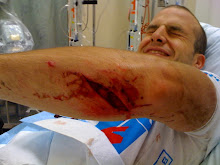
ReplyDeleteWater is my beverage of choice right now as I'm trying to pass a stone from New Years Eve day. I ended up going to the ER, nearly blacking out from the worst pain of my life. This one was far worse than the others I have experienced. It was so bad I was shaking and convulsing from the pain and almost bad enough to wish I was dead... almost. That is, until the IV pain drugs kicked in.
I hereby pledge to drink more water...
Chocolate Milk. It's the recovery drink of champions and the thought of post-workout indulgence gets me out the door. It's also much less expensive than some crappy mix you have to hold your nose closed to get down.
ReplyDeleteDaren, that's the recovery drink of choice for Kristin Armstrong as well. But what does she know--she's just reigning world champion and olympic gold medalist.
ReplyDeletemichael kors outlet
ReplyDeletemichael kors handbags sale
giants jersey
redskins jerseys
coach handbags
versace
ugg boots
miami heat
armani outlet
michael kors handbags clearance